Some pain and swelling should be expected. You can reduce discomfort and aid healing by following these measures carefully:
Rest for the first 24 hours, but do not lie flat. Prop yourself up with pillows or sit in a chair with your feet elevated.
If there is excessive bleeding, use the supplied gauze pad. Place it over the bleeding area and apply firm pressure for at least 20 minutes.
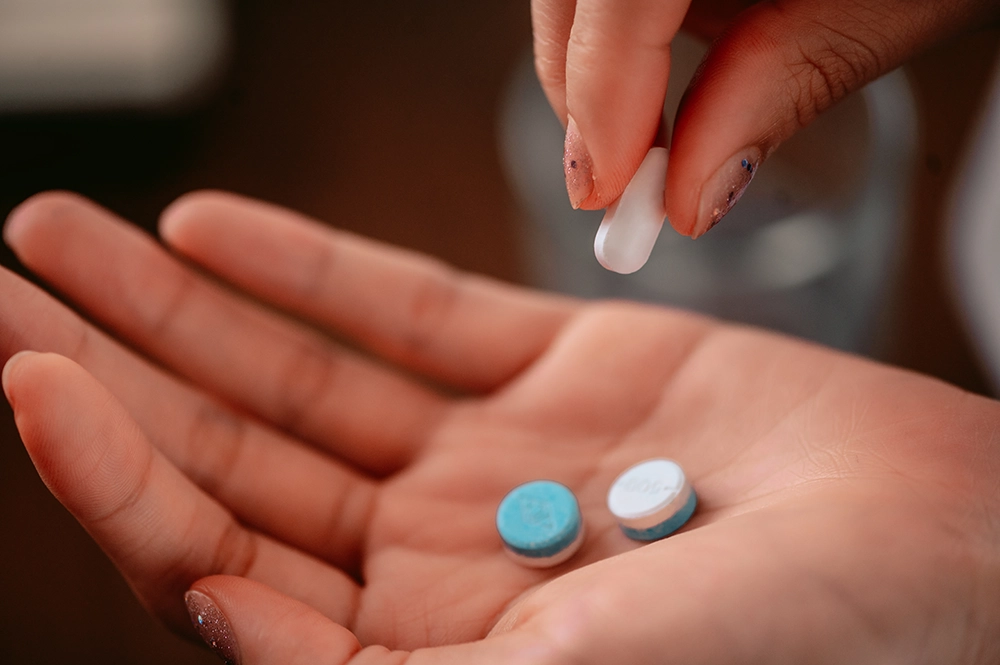
Take painkillers as required. Over-the-counter tablets such as Aspirin, Panadeine, or Nurofen should be sufficient.
Avoid drinking alcohol in the first 24 hours, as it can encourage bleeding.
Do not smoke for at least 48 hours post-extraction. Smoking delays healing and increases the risk of ‘dry socket,’ a localised and painful infection of the socket.
Wait until the anaesthetic has completely worn off before eating or drinking to avoid accidentally injuring your lips.
Avoid hot food or drinks for the first 24 hours. Suck on ice cubes or sip iced water if you feel thirsty. If you feel nauseous, stop eating and drinking, and only sip flat lemonade until the nausea subsides. Gradually return to eating a bland diet, such as rice or plain biscuits. If nausea persists, manage it with Phenergan Syrup, a mild sedative available over the counter at pharmacies.
Avoid heavy exercise during the first 24 hours, as rising blood pressure may worsen or prolong bleeding.
Begin saltwater rinses the day after surgery. Mix one teaspoon of salt into half a litre of warm water. Rinse vigorously, forcing the solution between your gums, teeth, and the surgical site several times. Continue this practice for one week as often as possible. Proper cleaning is essential to minimize the risk of infection.
After eating and before going to bed, brush your teeth and gums gently using a small toothbrush and toothpaste. While this might cause some discomfort, it helps maintain a clean mouth, preventing bad breath and infection.
If any complications arise or you have questions about your surgery or medications, contact us immediately at 02 9262 9318.
These instructions are designed to ensure a smooth recovery and minimize the risk of complications. Follow them closely and reach out for assistance if needed.